Welding is one of the most critical processes in engineering and manufacturing, yet many people are unaware of the different types of welding qualifications and what they mean for the quality and safety of a project. When faced with a welding requirement, you may have encountered the term “coded welder” and wondered whether your project needs one. This blog explores the key differences between welding and coded welding and why it’s important to make the right choice for your project.
What Is Welding?
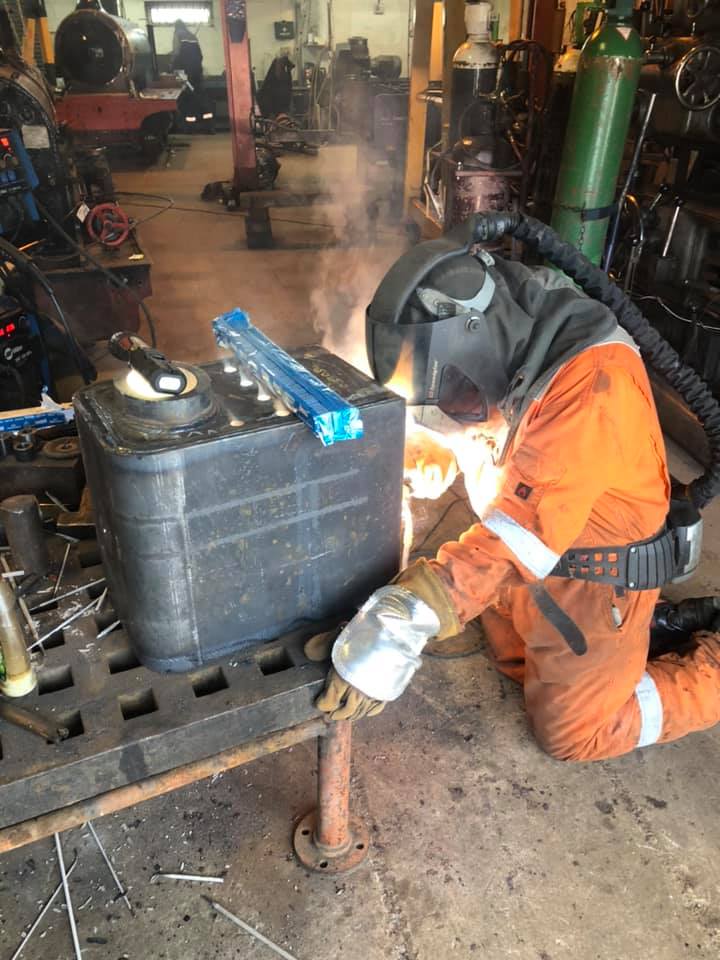
Welding is the process of joining two or more materials, typically metals, by using heat, pressure, or both to create a permanent bond. Standard welding techniques, such as MIG (Metal Inert Gas), TIG (Tungsten Inert Gas), and Stick welding, are widely used across a variety of industries.
A standard welder might have training or experience in one or more welding techniques but doesn’t necessarily hold qualifications to meet specific industry standards. While this level of welding is sufficient for some general-purpose tasks, it may not meet the requirements of more safety-critical or regulated applications.
What Is Coded Welding?
Coded welding, on the other hand, refers to welding that is performed by a welder who has been certified to meet a specific welding code or standard. These codes are defined by industry-recognised organisations, such as the British Standards Institution (BSI).
To become a coded welder, an individual must pass rigorous tests under the supervision of a qualified inspector. These tests assess their ability to weld under specific conditions, using specific materials, techniques and positions. The results are examined to ensure that the welds meet the required standards for strength, durability and safety.
The Key Differences Between Standard and Coded Welding
1. Training and Certification
- Standard Welding: No formal certification is required and welders rely on experience or informal training.
- Coded Welding: Welders must undergo formal testing to prove their skills meet specific codes or standards, often under real-world conditions.
2. Application
- Standard Welding: Suitable for non-critical applications, such as basic fabrication, non-load-bearing structures or small repairs.
- Coded Welding: Essential for critical applications, such as pressure vessels, boilers, pipelines and structural components where failure could result in serious safety risks.
3. Testing and Inspection
- Standard Welding: Weld quality is typically assessed visually or based on experience, without mandatory testing.
- Coded Welding: Welds must undergo non-destructive testing (NDT) or destructive testing to verify their integrity and compliance with the required code.
4. Compliance
- Standard Welding: May not meet specific industry regulations or standards.
- Coded Welding: Complies with strict industry codes, ensuring the work is legally and technically acceptable for high-risk environments.
When Do You Need a Coded Welder?
Coded welders are required for projects that involve high-risk or safety-critical components. Some examples include:
- High-pressure systems: Boilers, pressure vessels, or pipework carrying pressurised fluids or gases.
- Structural integrity: Load-bearing frameworks, bridges or construction projects where failure could compromise safety.
- Legal compliance: Projects in industries such as energy, aerospace, or manufacturing that are governed by strict safety regulations.
Even if your project does not explicitly require a coded welder, hiring one provides added assurance of quality and durability. Our coded welders have proven their ability to work to the highest standards, which can reduce the likelihood of rework, costly repairs or safety issues.
The Benefits of Choosing a Coded Welder
- Safety Assurance
Coded welding ensures that the welds meet stringent standards for safety, which is critical for projects involving high pressures, extreme temperatures or heavy loads. - Regulatory Compliance
Industries such as engineering, energy and construction often have legal requirements that only coded welders can meet. Choosing a coded welder ensures compliance and avoids costly delays or penalties. - Superior Quality
Coded welders undergo rigorous training and testing, ensuring that their welds are of the highest quality, with minimal risk of defects or failure. - Longevity and Durability
Welds performed by coded welders are more likely to stand the test of time, reducing the need for ongoing maintenance or repairs.
Why the Right Choice Matters
The decision between standard welding and coded welding depends largely on the nature of your project. For minor repairs or non-critical components, standard welding may suffice. However, for projects that demand the highest levels of safety, precision and compliance, a coded welder is essential.
How to Choose the Right Welder for Your Project
When selecting a welder, consider the following questions:
- Does the project involve high-pressure or high-temperature systems?
- Are there specific safety or industry regulations to meet?
- Would failure of the weld result in safety risks or costly repairs?
If the answer to any of these questions is “yes,” you need a coded welder.
Conclusion
Coded welding represents the gold standard in welding, offering unparalleled quality and safety for critical applications. Whether you’re working on pressure vessels, structural components, or systems that must meet strict regulatory standards, investing in coded welding ensures that your project is built to last.
If you’re unsure whether your project requires a coded welder or have any questions about the welding process, get in touch with our team of experts. We’ll help you make the right choice for your needs.
 Northern Heritage Engineering
Leave a comment